The advent of social media has irrevocably transformed the landscape of human interaction, communication, and information dissemination, and one of its most profound impacts has been on the realm of literature. Traditionally, the relationship between author and reader was mediated through the printed page, a static and unidirectional mode of engagement. However, social media’s dynamic and interactive nature has opened up new avenues for authors and readers to connect, collaborate, and co-create literary experiences.
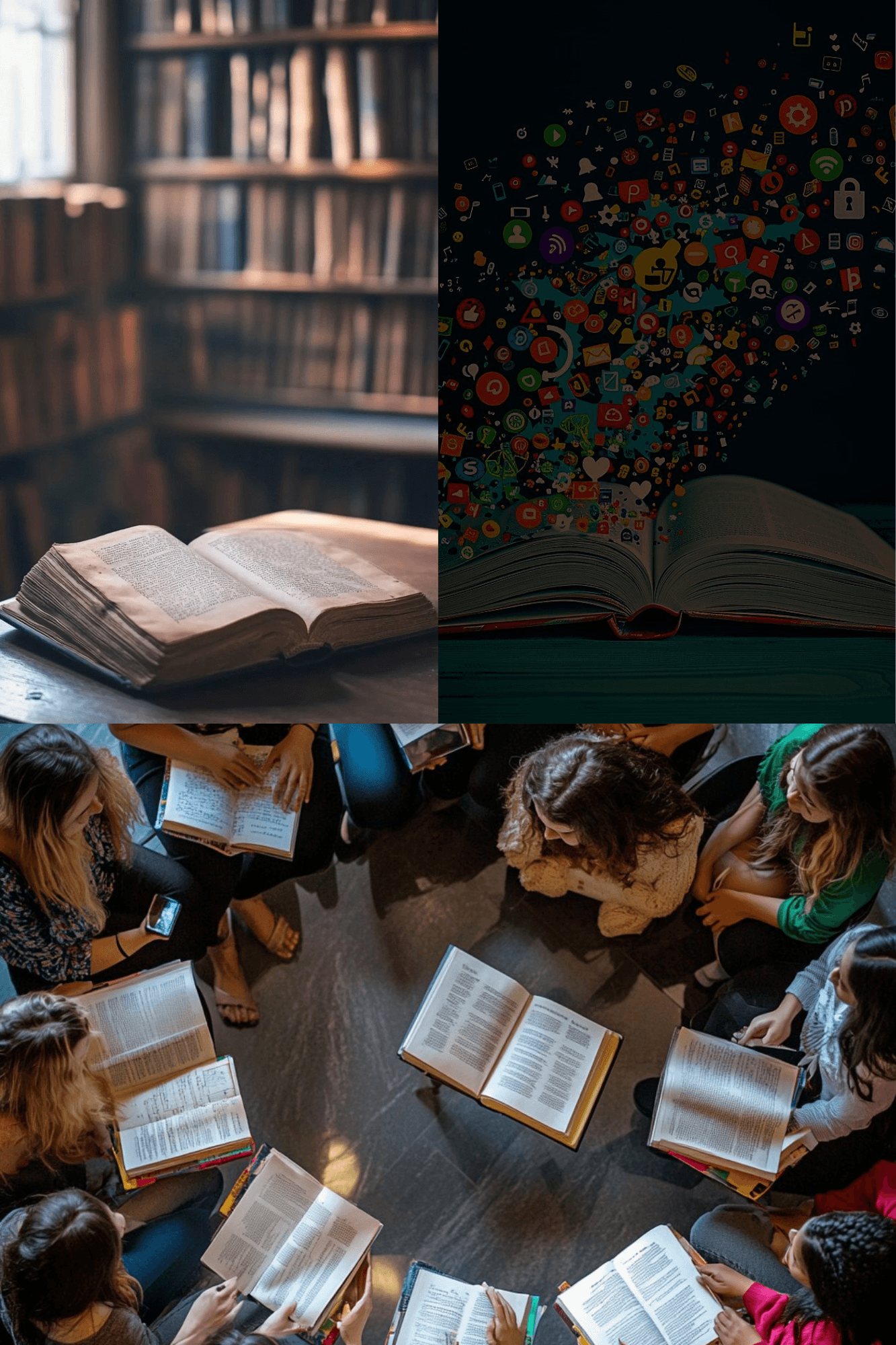
Social media platforms have become indispensable tools for authors to build and cultivate their audience since by leveraging platforms like Twitter, Instagram, and Facebook, authors can share excerpts from their work, engage in discussions about their writing process, and connect with readers on a personal level. This direct interaction fosters a sense of community among readers and creates a platform for them to share their thoughts and interpretations of the text while also enabling authors to reach a global audience, transcending geographical boundaries and expanding their readership.
One of the most significant ways in which social media has impacted literature is through the rise of self-publishing where platforms like Amazon Kindle Direct Publishing and Wattpad have democratized the publishing industry, empowering aspiring writers to bypass traditional gatekeepers and share their work with a wide audience. This has led to a proliferation of diverse voices and perspectives, enriching the literary landscape. Additionally, social media has facilitated the discovery of new authors and genres, as readers can share their recommendations and connect with like-minded individuals.

Furthermore, social media has also transformed the way we consume and engage with literature. Book clubs have moved from physical spaces to online communities, enabling readers from different parts of the world to discuss and analyze books together. Moreover, social media has facilitated the creation of online reading challenges and book tags, encouraging readers to explore new genres and authors – these interactive activities have made reading a more social and enjoyable experience.
However, the integration of social media into the literary world is not without its challenges. The constant pressure to maintain an online presence can be overwhelming for authors, and the fear of negative feedback can hinder creativity. Additionally, the short-form nature of social media can make it difficult to engage in deep and meaningful discussions about literature, likewise, the rise of fake news and misinformation on social media has raised concerns about the authenticity and credibility of literary content.
Despite these challenges, the potential of social media to enhance literary experience is undeniable. By embracing the opportunities offered by these platforms, authors and readers can create a vibrant and dynamic literary ecosystem and as technology continues to evolve, we can expect to see even more innovative ways in which social media will shape the future of literature.
In conclusion, social media has ushered in a new era of literary engagement, blurring the lines between author and reader, and creating a more inclusive and interactive literary landscape. While there are challenges to be addressed, the potential benefits of this new medium are immense since as we navigate this evolving landscape, it is essential to strike a balance between leveraging the power of social media and preserving the core values of literature.