
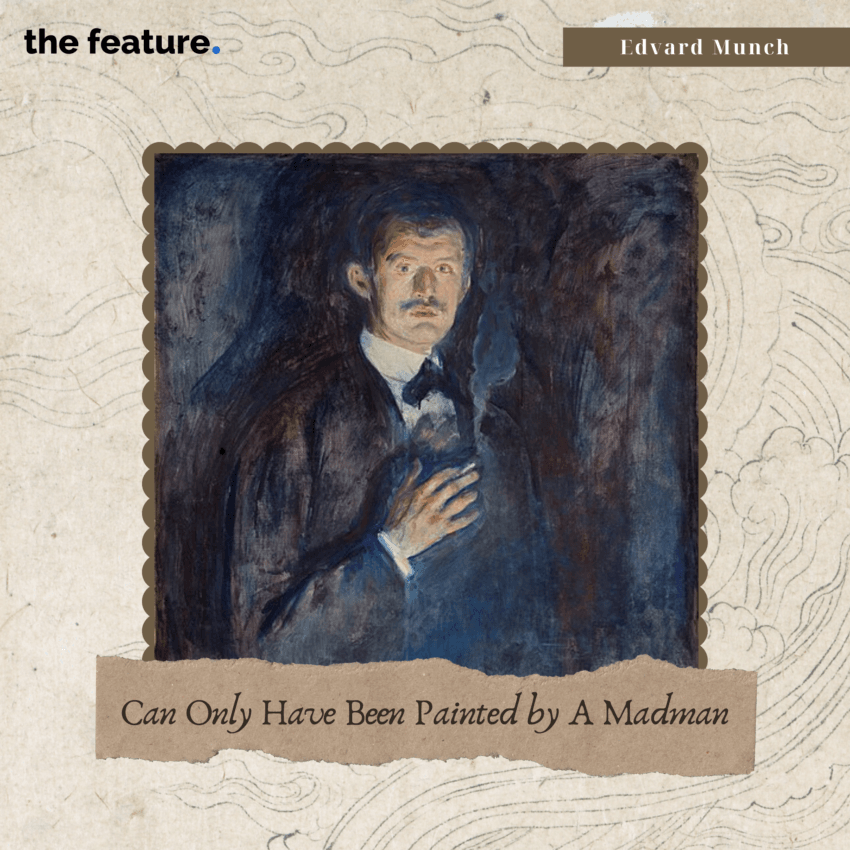
“His art transcended mere aesthetics and became a powerful tool for exploring the complexities of the human condition.”
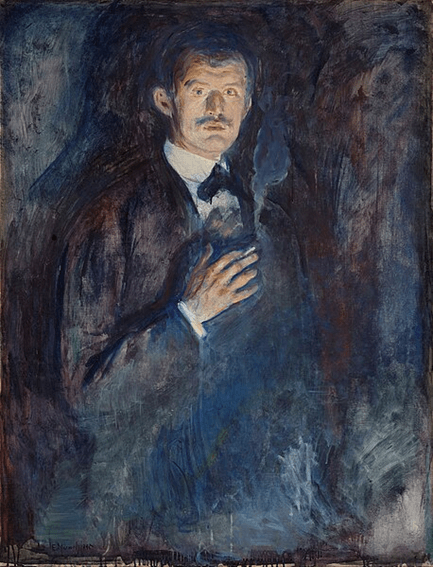
Edvard Munch occupies a central position within the history of modern art, renowned for his exploration of the human psyche through intensely emotional imagery. Born in Ådalsbruk, Norway in 1863, Munch’s artistic development unfolded amidst a burgeoning era of artistic innovation. His diverse body of work, encompassing paintings, prints, and drawings, served as a powerful reflection of the anxieties and existential struggles of his time. Through his groundbreaking use of color, form, and unconventional compositions, Munch challenged established artistic norms and paved the way for the Expressionist movement. His enduring influence continues to be felt by artists and audiences worldwide.
Art style:
Edvard Munch’s artistic voice defied easy categorization. He rose to prominence with Symbolist works that explored themes of anxiety, alienation, and existential dread. These unsettling emotions manifested in his paintings through swirling brushstrokes, distorted figures, and an overall sense of unease. A prime example is his iconic work, “The Scream.” However, Munch’s artistic journey extended beyond Symbolism. He also experimented with Impressionism, evident in his use of light and color in works like “Summer Night.” Throughout his career, Munch remained preoccupied with the human condition, particularly the darker aspects of psychology. This preoccupation is a recurring theme across his various artistic styles.
Notable contribution:
Edvard Munch’s greatest and most unique contribution to art lies in his raw portrayal of existential anxiety and emotional turmoil. He wasn’t simply interested in depicting emotions; he used them to create a visual language of human vulnerability and isolation. Munch’s distorted figures and haunting landscapes were a deliberate strategy to evoke a sense of unease and despair, forcing viewers to confront the universality of human suffering. In this way, Munch became a pioneer of Expressionism – a movement that prioritized emotional expression over objective reality. His art transcended mere aesthetics and became a powerful tool for exploring the complexities of the human condition.
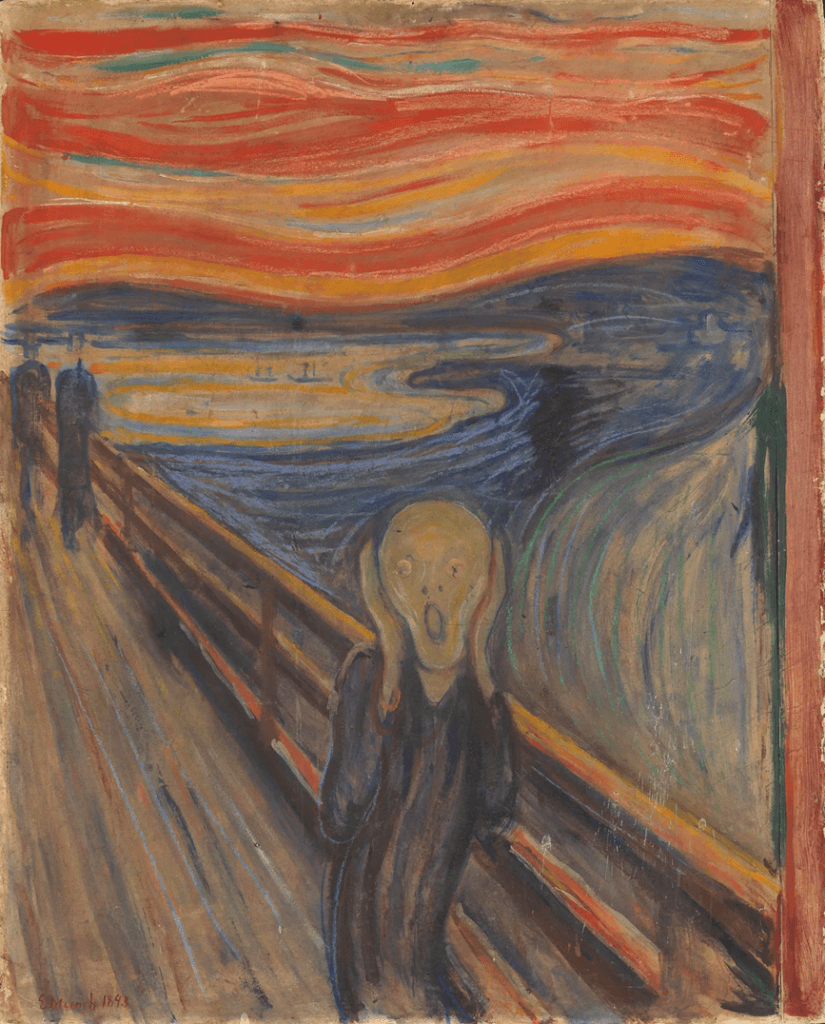
“The Scream” is a landmark piece of Expressionism, a movement known for its distortion of reality to convey inner turmoil. Edvard Munch’s iconic painting depicts a skeletal figure clutching its head in a silent scream against a backdrop of swirling red and blue. The source of the figure’s anguish has been endlessly debated. Perhaps Munch intended it as a representation of the existential dread of modern life, a reflection of the anxieties brought about by rapid industrialization and societal change. Alternatively, the scene might hold a more personal significance. Munch himself struggled with mental illness and loss throughout his life, and famously inscribed the words ‘can only have been painted by a madman’ on the frame of this painting.
Ultimately, the interpretations of art always remain subjective. Each artwork’s essence lies in its ability to elicit unique emotional responses from the viewer. The reality of art resides not on the canvas itself, but within the observer’s interpretation